Punta Cana Trip Planner
Plan your perfect trip

Things to do 3 ways to do it

Deep-Sea Fishing Charters in Punta Cana

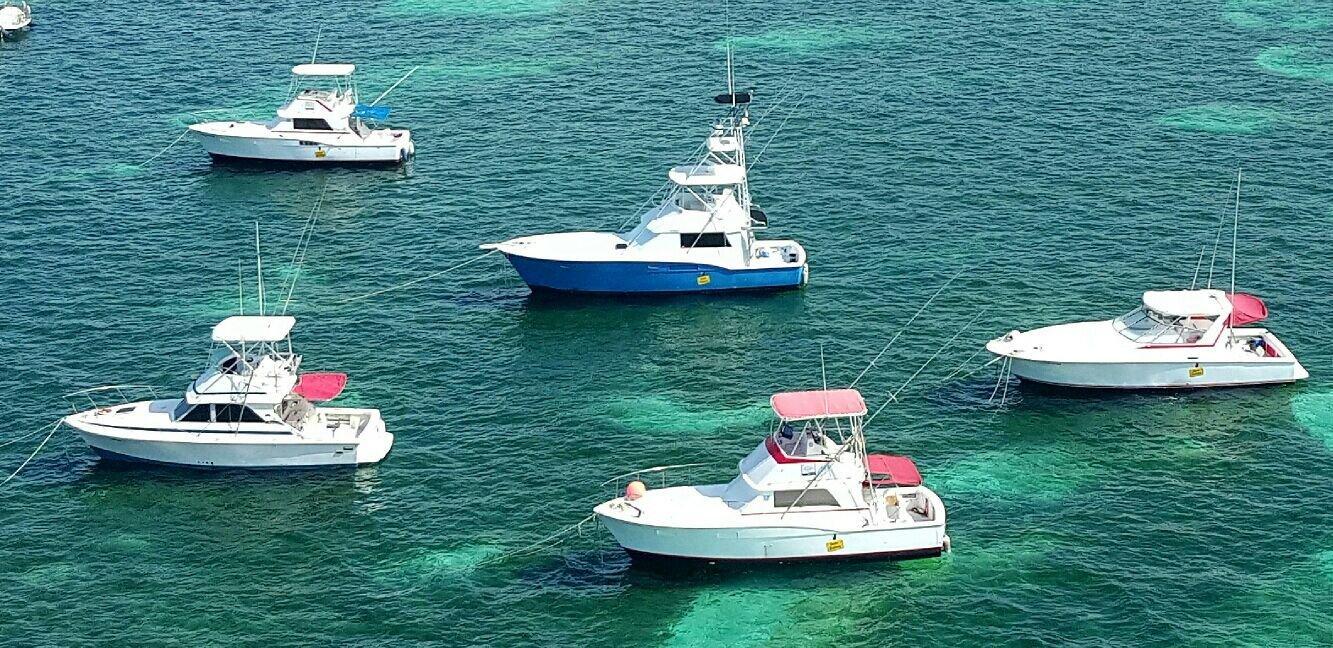
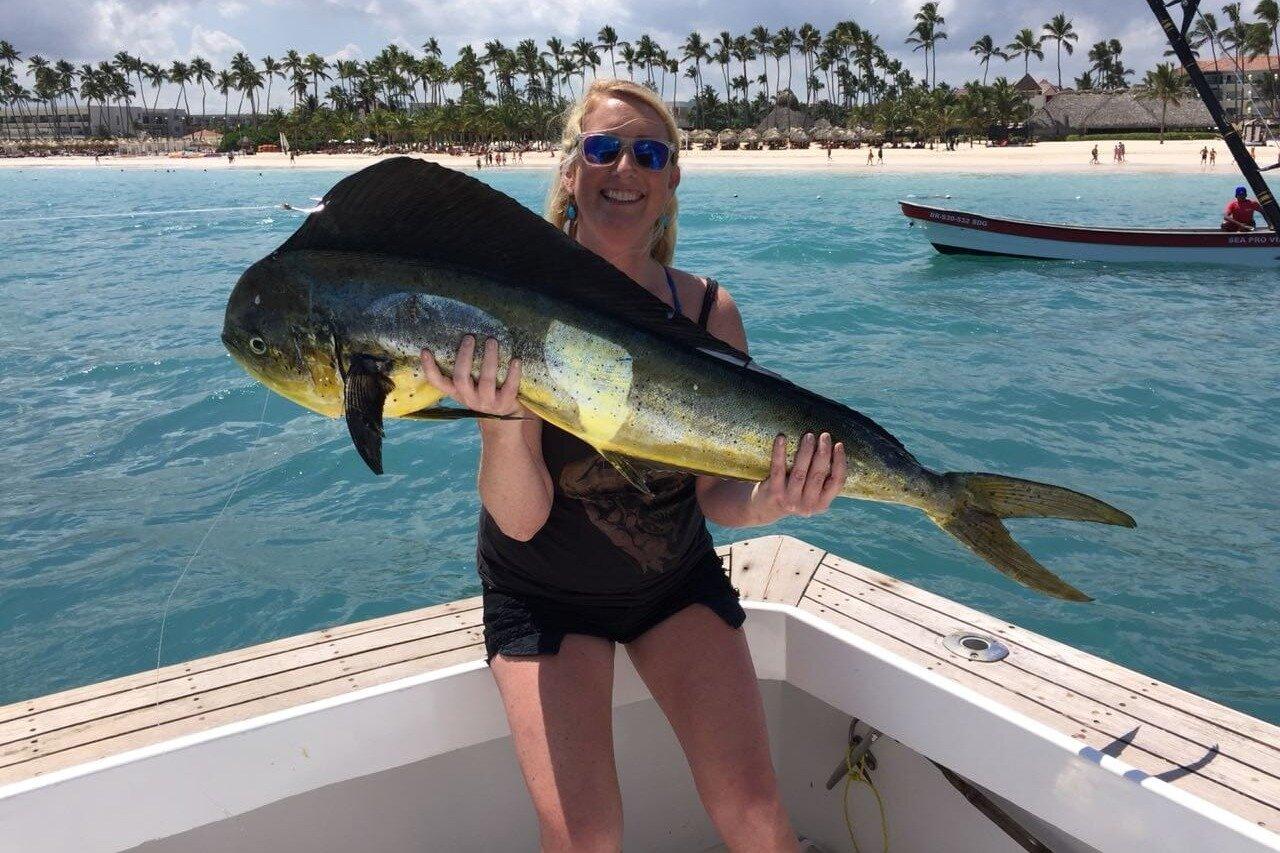
Punta Cana's deep-sea fishing runs year-round in the Mona Passage, where blue marlin, white marlin, mahi-mahi, and wahoo cruise the drop-offs just a few miles offshore. Most charters run 4–8 hours out of Cap Cana or Bávaro marina, and you're typically trolling within 20 minutes. The scene ranges from no-frills shared boats to air-conditioned sportfishers with fighting chairs and fly bridges—choose based on whether you want to split the cost or have the deck to yourself.

Updated September 2026

Pick your way

The ways to do it — honestly compared.

Way 1

Shared charters with other anglers

You book a spot on a boat alongside 3–7 other people, share the rods, and split whatever's caught. Most operators run these as half-day trips (4 hours) with all tackle, bait, and drinks included. Crew sets the lines and does the heavy work; you reel when something hits.

Why you'll love it

  • Significantly cheaper per person than private charters
  • All gear and coaching provided—ideal if you've never deep-sea fished
  • Social vibe; you're not responsible for keeping conversation going
  • Shorter commitment (usually 4 hours)

Worth knowing

  • You might wait your turn if multiple fish hit at once
  • Timing and route aren't flexible
  • Less hands-on control over technique and spots
  • Crowded deck if the boat maxes out capacity

Best for: First-timers, solo travelers, or anyone testing the waters before committing to a full private day

Typical price: varies
Way 2

Private sportfishing charters

You rent the entire boat—usually 31–45 feet with twin engines, outriggers, and a captain plus mate. The crew customizes the trip: you choose half-day or full-day, target species, and whether to keep trolling or switch to bottom fishing. Boats typically hold up to 6–8 anglers, and everything from lures to lunch is included.

Why you'll love it

  • Total control over timing, techniques, and how long you work a bite
  • Privacy—just your group on deck
  • Captain can pivot to different spots if action is slow
  • Better for serious anglers who want to experiment with bait or fly tackle

Worth knowing

  • Significantly higher upfront cost, even split among friends
  • You're paying whether fish cooperate or not
  • Longer trips (6–8 hours) can be exhausting in full sun
  • Some smaller operators lack air-conditioned cabins

Best for: Groups of 4+, experienced anglers chasing specific species, or anyone who wants flexibility and elbow room

Typical price: varies

Way 3

Budget and local-operator boats

Smaller outfits running older center-consoles or converted fishing boats, often booked directly through marina contacts or walk-up. Bare-bones setup—cooler of ice, basic rods, local captain—but you're fishing the same waters for a fraction of the resort-marketed price. Communication may be Spanish-heavy.

Why you'll love it

  • Lowest price point for private or semi-private trips
  • Captains are often multi-generation locals who know every reef and current
  • Flexible departure times and willingness to negotiate on duration
  • Authentic, no-gloss experience

Worth knowing

  • Minimal amenities—bring your own snacks, sunscreen, and seasickness meds
  • Boats may lack shade, bathrooms, or modern electronics
  • Less English spoken; harder to coordinate via email
  • Safety and insurance standards vary widely

Best for: Budget-conscious anglers comfortable with DIY logistics and basic conditions, or anyone who prefers local guides over polished operators

Typical price: varies

Fishing calendar

What’s biting in Punta Cana, month by month.

Filled cells are the months each species runs; the current month is highlighted. Seasons shift a few weeks year to year, so ask the captain what’s been hitting this week.

SpeciesJFMAMJJASOND
Blue marlinpeak July–August
White marlin
Mahi-mahi (dorado)
Wahoo
Yellowfin tuna
Sailfish

Before you go

  • Book at least a week ahead in high season (December–April); top boats fill up fast, especially for private charters.
  • Marlin season peaks March through June, but mahi-mahi and wahoo bite year-round—ask your operator what's running hot when you travel.
  • Bring cash for tipping the crew (15–20% is standard) and for any dockside fish cleaning or taxidermy if you want to mount a catch.
  • Seasickness is real once you're past the reef—take meds 30–60 minutes before departure, even if you think you're fine.
  • Most charters are catch-and-release for marlin and sailfish; if you want to keep mahi or tuna, confirm the boat's fillet policy upfront.
  • Morning trips (6–10 a.m.) generally see calmer seas and more active feeding; afternoon charters can get choppy and hot.