Punta Cana Trip Planner
Plan your perfect trip

Things to do 4 ways to do it

Scuba Diving in Punta Cana

Punta Cana's diving scene splits between local house reefs—easy, shallow, decent coral—and the real prize: the wrecks and walls around Bayahibe and Catalina Island, 90 minutes south. The DR's east coast isn't Cozumel, but visibility runs 60–100 feet, water's warm year-round, and you can knock out a PADI cert without leaving your resort zone.

Updated September 2026

Pick your way

The ways to do it — honestly compared.

Way 1

Get certified on-site

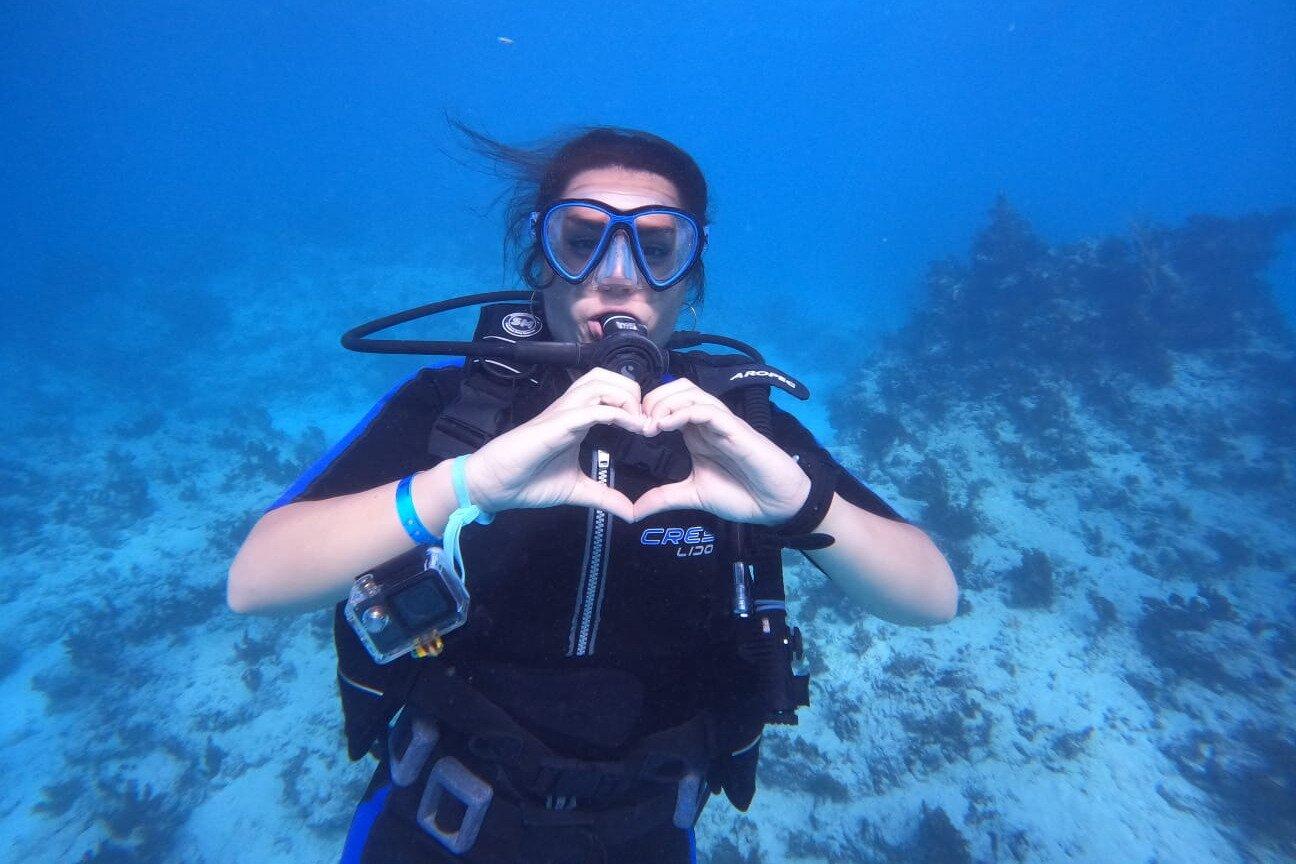
Three-day PADI Open Water courses run right out of Punta Cana dive shops. You'll do confined-water work in a pool or calm bay, then four checkout dives on local reefs. It's a straightforward path to your C-card without having to travel for training.

Why you'll love it

  • Leave with a lifetime certification
  • Warm, clear water makes learning less stressful
  • Can do it mid-trip without dedicated travel

Worth knowing

  • Three full days committed
  • Training dives are on shallow house reefs, not the best sites
  • You're learning, not exploring

Best for: Anyone who's been thinking about diving for years and wants to finally do it somewhere warm

Typical price: $490 per person
Way 2

Private trip to Bayahibe's wrecks

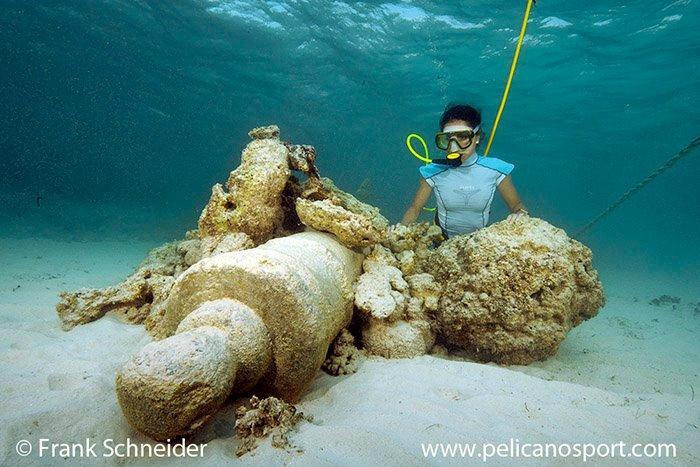
You charter a boat south to Parque Nacional del Este for three tank dives—wrecks, walls, and protected reef systems that blow away anything near Punta Cana. It's a nine-hour day with lunch on board and no strangers in your group.

Why you'll love it

  • Best dive sites on the east coast
  • Set your own pace and schedule
  • No crowd, no waiting for slower divers

Worth knowing

  • 90-minute drive each way eats the morning
  • Price only makes sense if you're splitting it
  • Overkill if you're a newer diver

Best for: Certified divers traveling as a group who want the DR's top sites without the cattle-boat vibe

Typical price: $1,300 total (split among your group)

Way 3

Walk-in reef dives near your resort

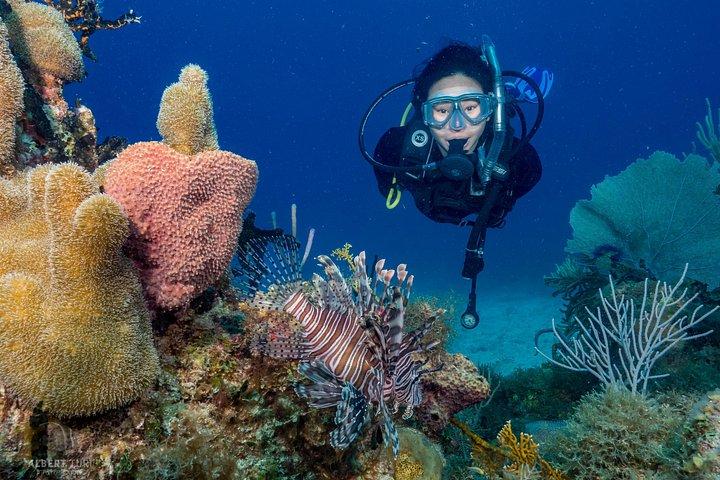
Standard two-tank morning trips from Punta Cana's coast. You're diving house reefs and nearby coral gardens—20 to 40 feet, mild current, decent fish life. It's accessible, quick, and you're back by lunch.

Why you'll love it

  • No long boat rides
  • Beginner-friendly depths and conditions
  • Easy to book last-minute

Worth knowing

  • Reef quality is middling compared to Bayahibe
  • Can feel a bit like a resort pool dive
  • May be grouped with less experienced divers

Best for: Certified divers who want a low-key morning underwater without the expedition commitment

Typical price: varies

Way 4

Scuba Doo helmet dive (no cert required)

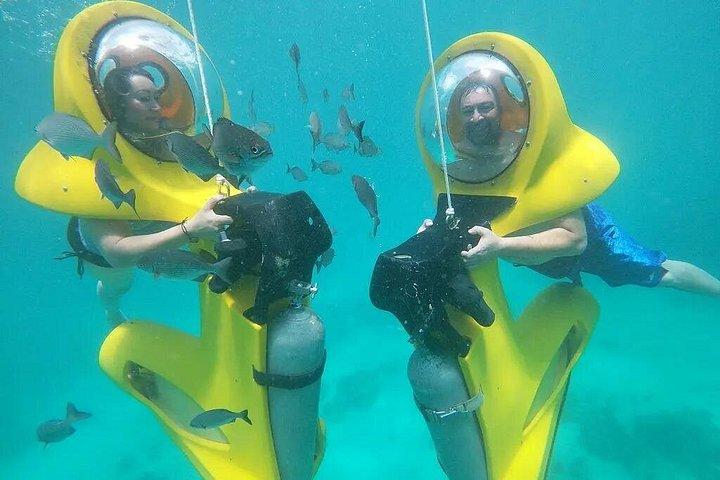
This isn't real scuba—it's an underwater scooter with a bubble helmet that keeps your head dry. You drive yourself along a shallow reef for a couple hours, breathing normally. It's a gimmick, but a decent one if you want fish without committing to certification.

Why you'll love it

  • Zero training or experience needed
  • Stay completely dry, including your hair
  • You control the scooter yourself

Worth knowing

  • Not actual diving
  • Shallow, limited range
  • Feels more like a theme park ride

Best for: Non-divers who are curious but not ready to commit, or families with kids who want an underwater experience

Typical price: $60 per person

Before you go

  • Bayahibe's sites (St. George wreck, Catalina Wall) are genuinely better than Punta Cana's house reefs—worth the drive if you're a confident diver.
  • Book certifications a week ahead; most shops need notice to arrange instructors and pool time.
  • Morning dives have better visibility before afternoon wind kicks up sediment.
  • Private charters make sense for groups of 4+; otherwise you're paying a steep per-person premium.
  • If you're newly certified, start with the local Punta Cana reefs before committing to a three-tank Bayahibe day.
  • Bring cash for tips—dive masters expect 10–15% and most boats don't split cards.

The operators

Who does it best.

Browse all Scuba Diving tours →